Washing merino and fleece so a season of use does not finish them

Hats, gloves and neck layers are cheap enough that people rarely think about caring for them, and then replace them every year. Nearly all of that wear is avoidable, and it comes down to a small number of habits — mostly about temperature.
Heat is what shrinks wool, permanently
Wool fibres have microscopic scales. Heat and agitation make those scales lock together, which is felting, and felting is irreversible. A merino hat that has been through a hot wash and a hot dryer will come out smaller, denser and stiffer, and nothing brings it back.
Cool water and a gentle cycle avoid this entirely. If your machine has a wool programme it is designed exactly for this: low temperature and low agitation.
Wool needs washing far less often than you think
Wool resists odour naturally, which means airing usually does what washing would do. Hanging a merino hat somewhere with moving air overnight is generally enough between wears, and washing it only when it is actually dirty adds seasons to its life.
This is genuinely a difference from synthetics, which do need washing more often because they hold odour rather than shedding it.
Fleece flattens rather than shrinks
Fleece does not felt, but its loft is the insulation, and heat mats the fibres down. A fleece band that has been tumble dried hot comes out thinner and colder, even though it is the same size.
Wash cool and air dry, and it keeps its thickness for years. It dries quickly enough that a dryer is rarely worth the risk anyway.
Fabric softener is the quiet problem
Softener works by coating fibres, and that coating is exactly what stops technical fabric moving moisture. On fleece and synthetic base layers it noticeably reduces performance, and on wool it is unnecessary because wool is already soft.
Skip it entirely for winter kit. If a wool item feels stiff after washing, it usually needs less detergent rather than more softener.
Gloves: wash them inside out, dry them flat
Gloves collect sweat and salt on the inside, which is the surface that matters. Turning them inside out to wash gets the dirt that is actually there, and it protects any windproof membrane on the outside.
Dry them flat rather than on a radiator. Direct heat is what hardens the palm material and cracks any grip pattern, and a hot radiator is far hotter than any dryer setting.
Store clean, store dry, store loose
Anything put away damp will smell by spring, and anything put away dirty will attract moths if there is wool in it. Washing at the end of the season and storing dry solves both.
Avoid compressing knitted items under heavy things for months. Loft that has been crushed all summer takes a long time to recover, and sometimes does not fully.
Materials on this shelf
Because care depends entirely on material, every listing here states what the item is made from rather than leaving it to the photograph. On our own shelf that range currently runs from $9.99 for the Wmcaps Winter Beanie for Men & Women – Warm Fleece Lined Knit Hat up to $14.95 for the Good Bands Thermal Fleece Ear Warmer Headband for Men & Women, Orange.
Everything below sits in Headwear, which currently holds 11 products. The prices shown are the ones charged at checkout, with no delivery surcharge appearing later.
- Wmcaps Winter Beanie for Men & Women – Warm Fleece Lined Knit Hat — $9.99
- Etsfmoa Unisex Lighted Beanie – Black Hands-Free LED Winter Hat — $9.99
- Fivali Grey Knit Beanie & Touchscreen Gloves Set for Cold Weather — $11.25
- AstroAI Windproof Thermal Fleece Ski Mask Balaclava – Gray Winter Face Cover — $11.99
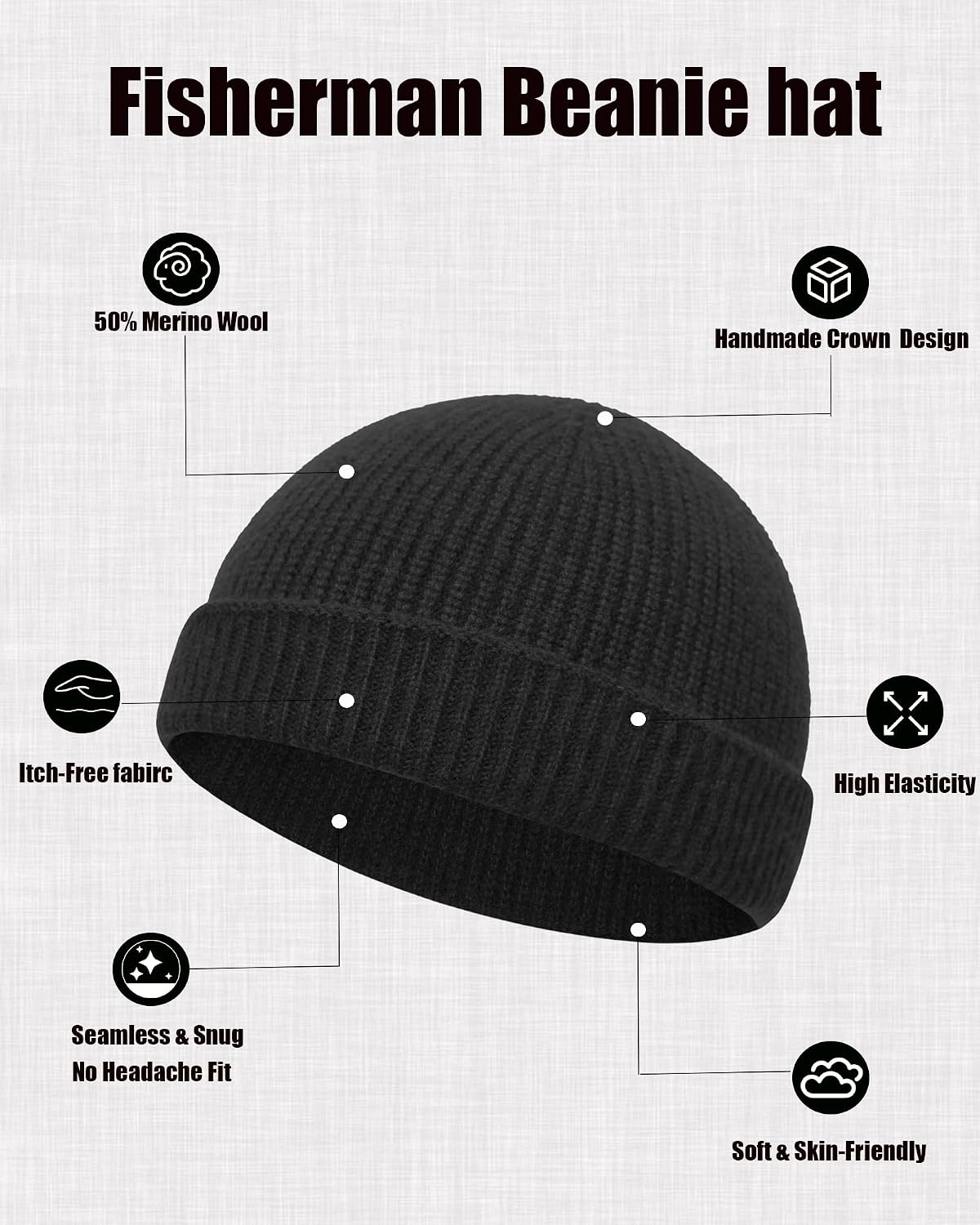
- Simapu Thin Fisherman Knit Beanie Hat for Men & Women – Black Wool Blend — $11.99
- Good Bands Thermal Fleece Ear Warmer Headband for Men & Women, Orange — $14.95
Related reading
Two other pieces on this site cover ground next to this one. The mistake is dressing for how cold it feels standing on the doorstep rather than how warm you will be once you are moving. And on a related note, three materials dominate the hat shelf and they behave very differently once they get damp.
- How to dress for a cold morning run without overheating by mile two
- Merino, fleece or acrylic: choosing a beanie you will actually wear
The mistakes that shorten kit life most
Washing too often is the first, particularly with wool, which resists odour and rarely needs more than airing. Every wash cycle is mechanical wear, so unnecessary washing is straightforwardly unnecessary damage to something that was not dirty.
The second is drying on a radiator. It is convenient and it is hotter than any dryer setting, applied directly to one side of the fabric. Radiator drying flattens fleece and hardens the elastic in cuffs faster than anything else people do routinely.
Knowing when something is genuinely worn out
Wool has reached the end when the knit has thinned enough to see light through it at the ears, or when it has felted to the point of no longer stretching. Both are structural and neither is recoverable by washing.
Fleece is finished when the pile has matted flat and no longer springs back after washing, because the loft was the insulation. Gloves are finished when the palm material has hardened or the seams have opened. Until then, most winter kit is simply dirty rather than worn out.
The one-line version
Cool water, no softener, air dry, store dry and loose. That single routine covers wool, fleece and synthetic alike, and it is the difference between replacing a hat every winter and keeping one for five.
We pack and ship from Hawthorne, CA. Standard carriage is $4.95, free above $45, and unused items can go back within 30 days. Ask us anything at [email protected].